Southlake · Colleyville · Grapevine · Keller · North Richland Hills · & nearby
We’ll tell you if you don’t have a leak
Plenty of pools aren’t leaking at all — they’re just evaporating in the Texas heat. Drag the waterline down to match what yours did in the last 24 hours, and find out which one you’re looking at before you pay anybody a dollar.
Drag the water level ↓ · or use ↑ ↓ arrow keys
Yesterday
¼″ ↕
Dropped
¼″ / day
That's about
70 gal / day
Per month
2,100 gal
That's evaporation
A DFW pool gives up about a quarter inch a day to summer heat and wind. Nothing is wrong. Don't let anyone sell you a leak.
★★★★★Leak jobs, in their words · from our sister company Venue Pools
★★★★★
[REVIEW TEXT — paste a real Venue Pools review that mentions the leak work]
[First L.] · Southlakevia Venue Pools
★★★★★
[REVIEW TEXT — paste a real Venue Pools review that mentions the leak work]
[First L.] · Colleyvillevia Venue Pools
★★★★★
[REVIEW TEXT — paste a real Venue Pools review that mentions the leak work]
[First L.] · Kellervia Venue Pools
★★★★★
[REVIEW TEXT — paste a real Venue Pools review that mentions the leak work]
[First L.] · Grapevinevia Venue Pools
★★★★★
[REVIEW TEXT — paste a real Venue Pools review that mentions the leak work]
[First L.] · North Richland Hillsvia Venue Pools
★★★★★
[REVIEW TEXT — paste a real Venue Pools review that mentions the leak work]
[First L.] · Southlakevia Venue Pools
★★★★★
[REVIEW TEXT — paste a real Venue Pools review that mentions the leak work]
[First L.] · Colleyvillevia Venue Pools
★★★★★
[REVIEW TEXT — paste a real Venue Pools review that mentions the leak work]
[First L.] · Kellervia Venue Pools
★★★★★
[REVIEW TEXT — paste a real Venue Pools review that mentions the leak work]
[First L.] · Grapevinevia Venue Pools
★★★★★
[REVIEW TEXT — paste a real Venue Pools review that mentions the leak work]
[First L.] · North Richland Hillsvia Venue Pools
Why DFW pools leak
This isn't bad luck and it usually isn't bad building. It's the ground your pool is sitting in.
The clay moves
North Texas sits on expansive clay. It swells through a wet spring and shrinks through a dry August, and it does that every single year, hard.
The deck and the shell disagree
Your deck rides the top few feet of that clay. Your pool shell sits deeper, in different soil. They move differently. Anything rigid bridging the two eventually tears.
The skimmer goes first
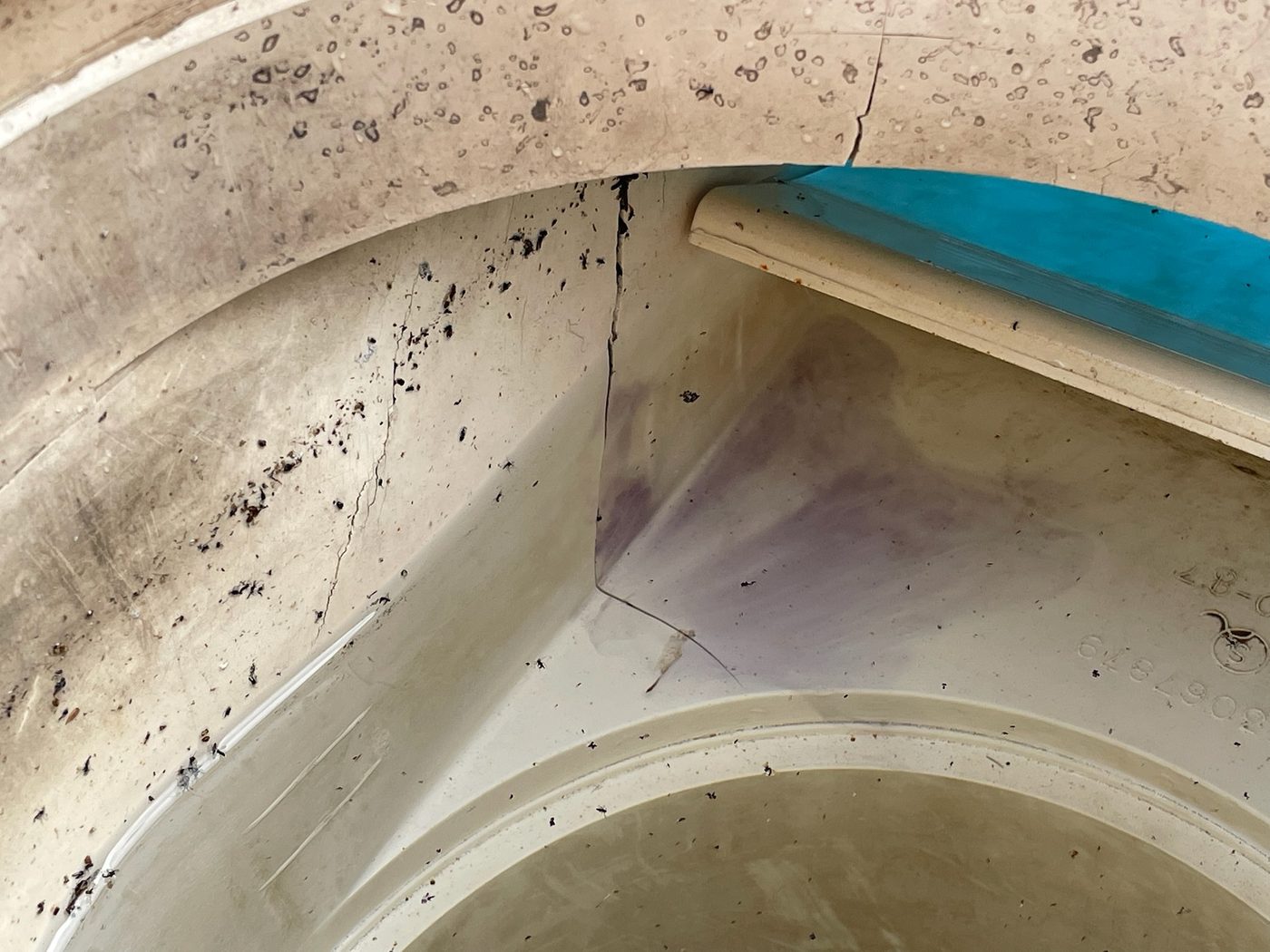
It's tied to both. That's why a cracked or separated skimmer throat is the most common leak in this market by a wide margin — and why we look there first.
The part nobody tells you
The water bill is not the reason to fix a leak. Even a bad leak runs maybe $60–100 a month in water. That's annoying, not urgent.
The reason to fix it is that water escaping under your deck is washing soil out of expansive clay, and voids in clay are how an $800 skimmer repair turns into a $30,000 deck-and-shell job three summers later. The leak is cheap. The waiting is expensive.
What a leak test gets you
A flat-rate visit, quoted on the phone once we know your pool. No trip charge, no hourly meter, no surprise on the invoice.
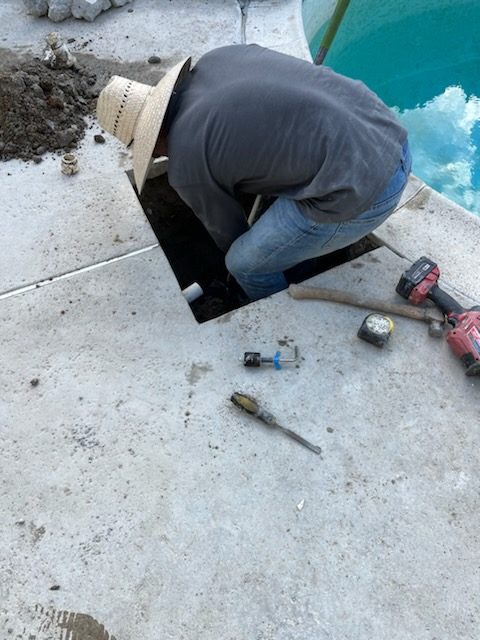
We find it and we fix it. One company, start to finish — most leaks repaired on the same visit. No report-and-vanish, no handing you off to a stranger.
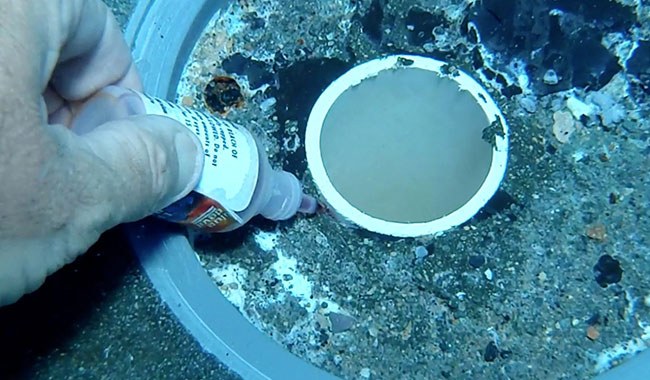
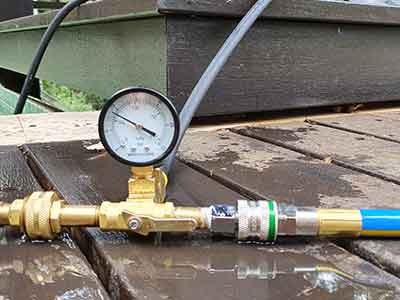
A real diagnosis. Pressure test on every line, dye test on every structural suspect, listening gear where it's warranted. Two to three hours.
Where it is, in writing. Photos, location, and exactly what it'll take to fix.
An honest "no." If your pool isn't leaking, we say so, we charge you nothing, and we go home.
No pressure. Want a second opinion on the repair? The report is yours — take it to any contractor in Tarrant County.
What the job looks like
Real finds from real pools.
The findCracked skimmer throatThe proofDye test at the leakThe testPressure-testing a lineThe fixRepaired and holding
Do the bucket test first
Before you call us or anyone else, spend twenty-four hours and zero dollars. This is the same test we'd run, and you can do it yourself.
Fill a five-gallon bucket about three-quarters full and set it on the second step, so it's partly submerged and at the same temperature as the pool.
Mark both levels. Water inside the bucket, water outside on the bucket wall. A grease pencil or a strip of tape works.
Turn off the auto-fill and leave the pump on its normal schedule. Then don't touch anything for 24 hours.
Compare. Both dropped about the same? That's evaporation — your pool is fine. Pool dropped noticeably more than the bucket? That's a leak, and now you know for certain.